Wilder passed away in 2016. Not long after his death, a secret came to light that he had carried with him for years.
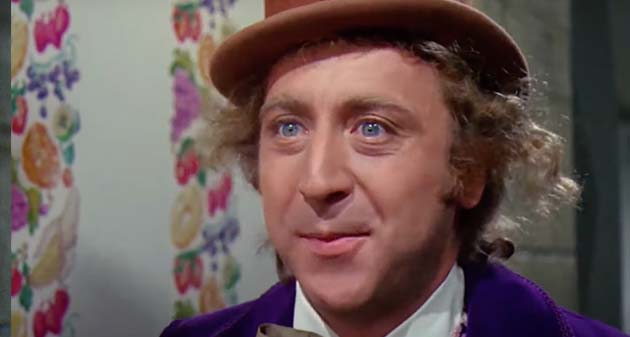
We may all know him as Gene Wilder, but the famous actor wasn’t born with that name. Instead, he was welcomed to the world on June 11, 1933, in Milwaukee, Wisconsin, and named Jerome Silberman. His father, William, was an immigrant from Russia. His mother, Jeanne, was of Polish descent.
Gene Wilder – early life
As Gene grew up, his mother was often ill. More specifically, she had complications from rheumatic heart disease.
Naturally, children and their parents will argue from time to time about different things. When Gene turned eight, though, a doctor told him not to.
“Don’t ever argue with your mother, you might kill her. Try to make her laugh,” the doctor famously said.
Perhaps this was also what sparked what would become a very successful career. Wilder decided to try and make his mother laugh as much as he could, putting on different accents and characters.
His mother laughed often at her son’s performances – and in a 2015 NPR interview, Gene credited Jeanne with helping him start his career.
“When your mother gives you confidence about anything that you do, you carry that confidence with you,” Wilder said. “She made me believe that I could make someone laugh.”
Gene went on to join the California military. However, it was never his calling. Instead, the aspiring actor with big dreams returned to Milwaukee and started performing in the local theaters. He debuted in Romeo and Juliet as Balthasar, before graduating from high school and studying at the University of Iowa.
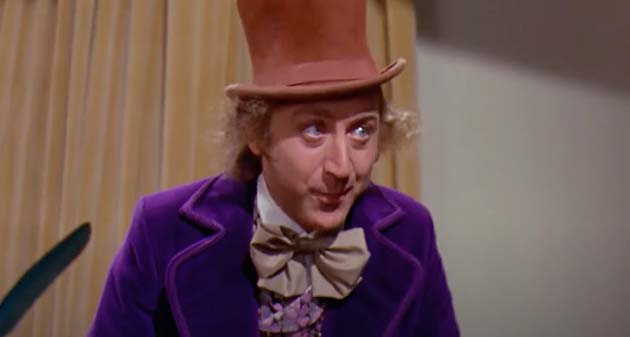
Eventually, Gene decided he wanted to explore more concerning theater. Therefore, as many before him – and after, for that matter – he decided to move to the UK, where he studied at the Bristol Old Vic Theatre School.
Why Gene Wilder changed his name
After two years of military service – Gene had been drafted into the US Army – he moved to New York City. My big dream was still to work as an actor, but achieving that in New York requires plenty of patience. Gene took on several jobs to support himself, including being a fencing teacher (he had studied fencing in Bristol) and driving a limousine.
At age 26, he was accepted into the Actor’s Studio. That was when he felt he needed a better name, as the aspiring actor wanted to appear both intellectual and well-read. In college, he read Look Homeward, Angel, and took Gene after the character Eugene Grant. His new surname, Wilder, Gene, took from Thornton Wilder, author of Our Town.
Obviously, it was a great name, and the move paid off. In 1967, at age 33 and after several years working in off-Broadway plays, Wilder made his film debut in Bonnie and Clyde.
After his debut, Wilder’s career rocketed upwards. First, in 1968, he landed a part in Mel Brooks’ classic comedy The Producers. Despite the film being quite the flop at the box office, he received an Academy Award nomination for Best Actor in a Supporting Role. Then, three years later, he got the now-legendary role of Willy Wonka in Charlie and the Chocolate Factory.
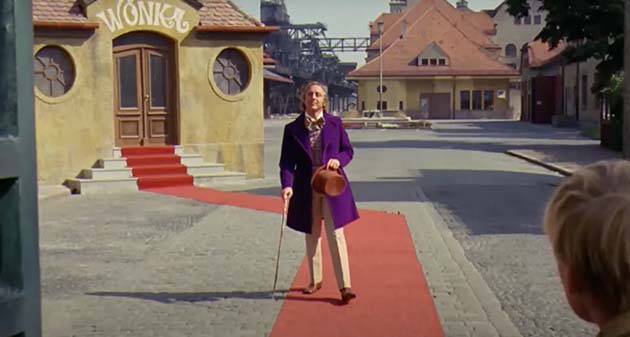
Wilder’s role as Willy Wonka in Charlie and the Chocolate Factory was his first-ever lead. It became one of the most memorable, lovable films of all time, and would ultimately define Wilder’s production life. However, Gene had some demands before he even considered taking the role in the first place.
Gene Wilder as Willy Wonka in ‘Charlie and the Chocolate Factory
When Wilder first got the script for Charlie and the Chocolate Factory, he quickly realized he liked it. However, there were some details that he insisted on being changed if he was to take the role of Willy Wonka.
According to Wilder, Wonka didn’t get the introduction that he deserved in the film.
As revealed in letters between Wilder and the film’s director Mel Stuart, Wilder felt his character needed a better, less generic introduction.
“When I make my first entrance, I’d like to come out of the door carrying a cane and then walk toward the crowd with a limp. After the crowd sees Willy Wonka is a cripple, they all whisper to themselves and become deathly quiet,” Gene wrote in the letter to Mel Stuart.
“As I walk toward them, my cane sinks into one of the cobblestones I’m walking on and stands straight up, by itself; but I keep on walking until I realize that I no longer have my cane. I start to fall forward, and just before I hit the ground, I do a beautiful forward somersault and bounce back up, to great applause.”
In the end, Stuart obliged Wilder’s request, which led to an iconic scene, a classic performance, and a cult movie. It was a grand entrance, and most importantly, it gave the character of Willy Wonka another dimension. Later, Wilder revealed that the way that Wonka entered the film was crucial because “from that time on, no one will know if I’m lying or telling the truth.”
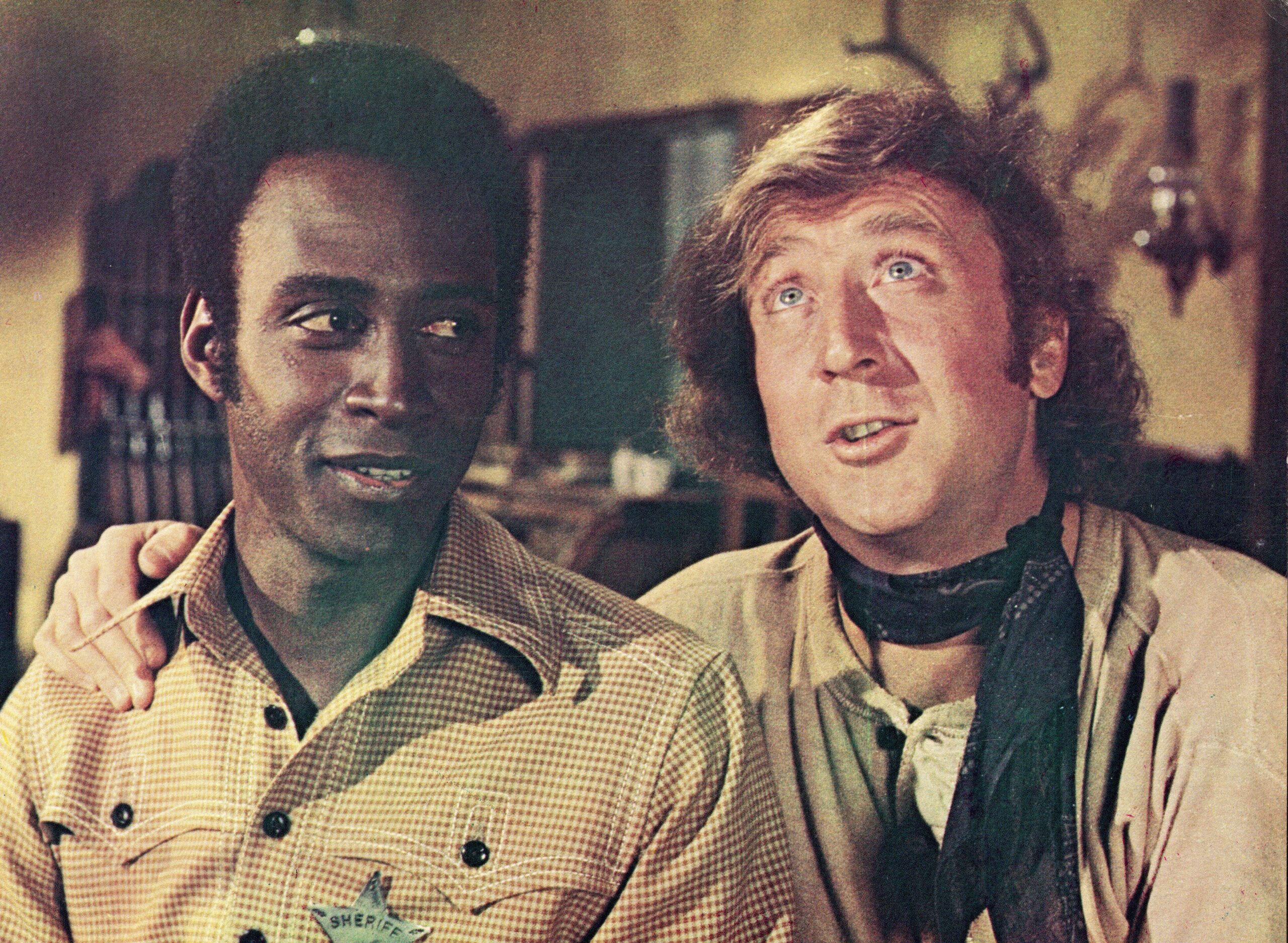
But not only did Wilder have demands regarding how Willy Wonka’s introductory scene would be. Moreover, the actor also had requests concerning what his costume and appearance would look like.
Requested a change in his costume to play the role of Willy Wonka
Before filming had started, while still in pre-production, Wilder gave costume designers and, of course, director Mel Stuart the changes he wanted to be made to his Willy Wonka costume. As reported by Yahoo, that included everything from the type of pants he was wearing, the cut and color of the jacket, and even the placement of pockets.
“The hat is terrific, but making it 2 inches shorter would make it more special,” Wilder was said to have said.